


Introduction
In education, linguistics, and creative communication, the idea of “inventive spelling” has gotten a lot of attention. At its most basic level, imaginative spelling means spelling words based on how they sound instead of following strict spelling standards. This method is most often seen in writing done by young children, but it has an impact that goes beyond the classroom and into marketing, digital culture, and changing language rules. Inventive spelling lets authors say what they want without worrying about spelling mistakes, which boosts their confidence and makes them more willing to try out new words.
In today’s rapidly changing world of communication, creative spelling is an important part of how people learn, express their individuality, and interact with others. Inventive spelling has become a way for kids to learn how to write and for corporations to come up with names that stick in people’s minds. Readers can better understand how language changes and grows over time by learning about innovative spelling.
What Inventive Spelling Means and Where it Came From
Literacy researchers came up with the phrase “inventive spelling” to explain how young learners try to write words before they learn the conventions of regular spelling. Kids generally spell words the way they sound because they know how phonics and speech patterns work. This is called imaginative spelling because it shows how the student is actively trying to solve problems and come up with new ideas.
Instead of seeing these spellings as faults, teachers started to see imaginative spelling as an important part of learning to read and write. It shows that a student is thinking critically about letters, sounds, and how words are put together. This understanding helped people spell and read better over time.
Inventive spelling has a history that goes back to the evolution of language, not only education. Before standardized dictionaries were out, a lot of terms in modern English were spelled differently. In this way, creative spelling is like how language has changed over time.
Creative Spelling in Early Childhood Education
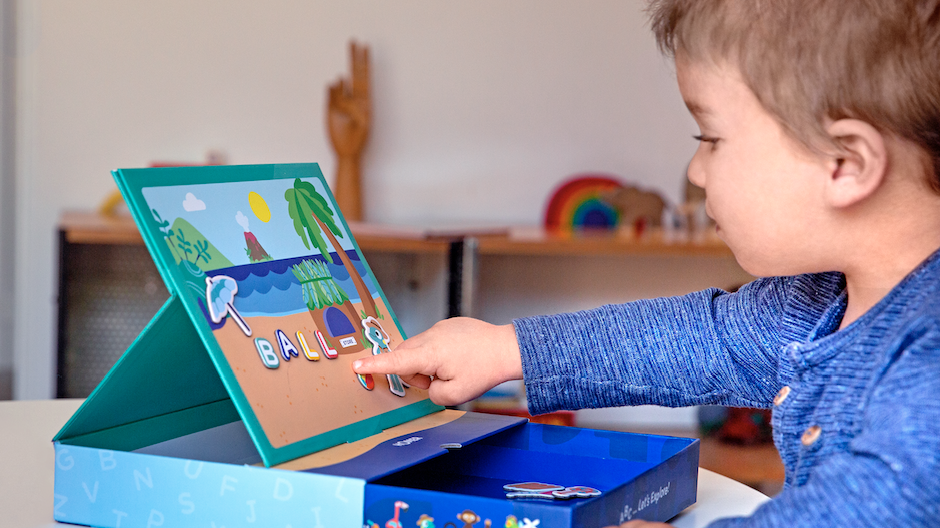
In early schooling, creative spelling is sometimes promoted as an element of writing. Kids are more likely to write freely and try out new words when they can use creative spelling. This method makes people less worried about making mistakes and more focused on communicating and understanding.
Teachers that encourage creative spelling typically notice that their students’ phonemic awareness gets better. Children make a stronger link between spoken and written language when they sound out words and pick letters that match those sounds. Inventive spelling also helps kids learn new words because they don’t have to stick to things they already know how to spell correctly.
Reading and training that expose youngsters to correct spelling over time help them go easily from innovative spelling to conventional spelling. This slow approach builds confidence and skill in writing.
The Cognitive Benefits of Creative Spelling
Inventive spelling provides numerous cognitive advantages, especially in the initial phases of literacy acquisition. It uses a lot of different mental functions, such remembering, recognizing sounds, and figuring out patterns. When students employ creative spelling, they are actively thinking about how language works instead than just memorizing rules.
This approach helps people learn how to solve problems and think for themselves. Students who are trying out new ways to spell are making educated guesses based on what they know, which is an important part of learning. When people feel free to share their thoughts, they typically become more motivated to read and write.
Also, creative spelling helps people be creative. Writers can focus more on storytelling, ideas, and emotion when they can spell things differently. This balance between structure and creativity is very important for language development over time.
Examples of Creative Spelling

When people say words, they typically sound like they do when they are spelled. For instance, a kid would spell “friend” as “frend” or “night” as “nite.” These spellings show that the person knows how to use phonetic patterns, even if they don’t obey the rules.
People use creative spelling in everyday life when they write creatively, send text messages, and post on social media. People commonly use these spellings on purpose to show tone, personality, or comedy. In these cases, creative spelling reveals how language changes to fit new ways of saying things.
The table below shows some common examples of creative spelling next to regular spelling. It shows how sound-based logic affects how words are made.
| Standard Spelling | Inventive Spelling |
|---|---|
| Because | Becuz |
| Phone | Fon |
| People | Peepl |
| Light | Lite |
| Through | Thru |
Inventive Spelling and Language Development
Language development doesn’t happen in a straight line, and creative spelling shows this. As students become older, their spelling changes along with their reading and writing skills. Creative spelling connects spoken and written language.
When students try out creative spelling, they automatically learn the norms and patterns. They start to see which spellings fit with common rules after seeing them over and over. This natural way of learning typically helps people remember how to spell better than just memorizing words.
Importantly, creative spelling doesn’t stop language development when done right. Instead, it encourages participation and lays the groundwork for literacy by prioritizing effort and comprehension over perfection.
How Inventive Spelling Helps with Creativity and self-Expression
When standards aren’t strict, creativity can flourish. Inventive spelling gives you that freedom. Writers and artists often employ creative spelling to make their voices stand out, make others feel something, or build their brand. In poetry, music, and stories, creative spelling can add rhythm, stress, or cultural context.
Creative spelling is also a way to express yourself. People may use different spellings to show their ethnicity, dialect, or community ties. This creative spelling shows that language is a living, changing system that is molded by the people who use it.
innovative businesses often employ innovative spelling to make names and slogans easier to remember. These spellings stand out in both sight and sound, making a lasting impression on people.
Creative Spelling in Digital Communication

Digital communication has made creative spelling more common. Texting, social media, and online forums typically value quickness and expression over proper grammar. Creative spelling helps people get their tone, humor, and feelings across quickly.
In online places, creative spelling can show that you are informal, playful, or part of a certain group. Abbreviations and phonetic spellings are commonly used and understood, showing how creative spelling has changed to meet the needs of modern communication.
Even if there are worries about spelling abilities being worse, research shows that people can tell the difference between informal imaginative spelling and formal writing. This flexibility demonstrates that innovative spelling enhances rather than supplants conventional spelling.
Educational Views on Creative Spelling
For decades, educators have argued about the importance of creative spelling, but many now see it as a useful developmental tool. Instead of fixing every spelling mistake, teachers generally focus on meaning, structure, and engagement first.
This helpful technique makes students feel safe enough to take risks with language. Students are more inclined to produce lengthier and more complicated texts when they feel confident using creative spelling. Over time, customized teaching can improve spelling accuracy without stifling creativity.
The table below shows how different levels of education evaluate creative spelling.
| Educational Stage | Role of Inventive Spelling |
|---|---|
| Early Childhood | Encourages phonetic awareness and confidence |
| Primary School | Bridges phonics and standard spelling |
| Upper Grades | Used selectively for creative expression |
| Adult Learning | Supports confidence in early literacy |
Using creative Spelling in Marketing and Branding
Creative spelling is now a very useful tool for marketing and branding. Companies often use different spellings to make brand names that are easy to remember and different enough from other names so they are not legally the same. This method depends on how appealing the sounds and looks are.
Creative spelling may make slogans more interesting and accessible in marketing initiatives. It gets people’s attention and shows off the brand’s personality. When applied correctly, creative spelling can help people remember your brand and feel connected to it on an emotional level.
But using creative spelling in branding effectively requires balance. The spelling must still be clear while yet being innovative. This balance makes sure that things are clear without losing their individuality.
Problems and Misunderstandings About Creative Spelling
Some people don’t understand imaginative spelling, even though it has its merits. Critics are worried that it would confuse students or hurt their ability to spell correctly. People often worry about these things because they think that accuracy should always come first.
In actuality, creative spelling works best when it is used with clear instructions and examples of accurate spelling. It is not a substitute for normal spelling; rather, it serves as a precursor to it. When learners receive proper guidance, innovative spelling fosters literacy instead than impeding it.
Another wrong idea is that creative spelling is only for kids. In fact, adults utilize imaginative spelling a lot in creative and digital settings, which shows that it is more useful and flexible than you might think.
The Future of Creative Spelling
As language changes throughout time, creative spelling will probably still have a big impact. Technology, globalization, and digital communication have all made it easier to try new things with language. Inventive spelling shows how these developments have affected it by changing to fit new situations and demands.
In education, creative spelling is likely to stay a basic way to teach reading and writing. Its focus on comprehension and articulation corresponds with contemporary educational methodologies. In the arts and business, creative spelling will still affect how communications are made and understood.
In the end, creative spelling shows how language changes over time. It reminds us that norms are only part of what makes communication meaningful, connected, and creative.
In conclusion
Inventive spelling is not just making words in a strange way. It is a strong example of how language can help people learn, think, and talk about things. Inventive spelling is very important for literacy and creativity, from early childhood schooling to digital communication and branding.
By learning about innovative spelling, readers learn about how language naturally changes and how important it is to be flexible while talking to others. Instead of seeing it as wrong, creative spelling can be seen as an important and useful part of language progress. As language continues to change, creative spelling will always be an important link between sound, meaning, and expression.
Read More:- Inventive Synonym Meaning, Usage, and Creative Language