


Introduction
Owning property means you have to plan, take care of it, and be responsible. If you own one home, several rental units, or a business space, you need to keep them in good shape and make smart choices all the time. This is when activepropertycare guides come in handy. These guides are meant to help property owners, landlords, and managers learn how to take care of their properties before problems happen instead than after they happen.
Taking care of property now days isn’t simply about fixing things that are broken. It’s about planning, preventing, and keeping long-term value safe. The recommendations from Activepropertycare focus on simple measures that make property maintenance easier and less stressful, less expensive, and less likely to need repairs. This essay clearly and rationally explains those processes, which makes it easier to use them in real life.
Knowing what ActivePropertyCare Guides are for
The major purpose of activepropertycare guides is to give people clear instructions on how to keep their properties in a way that is both methodical and long-lasting. These guidelines give information in a clear way that anyone can grasp, instead of giving out random advice or hard-to-follow technical instructions.
Owners often fail to take care of their property because they don’t have a clear plan. People neglect small problems, forgo regular inspections, and maintenance becomes reactive. These recommendations assist shift that way of thinking by urging people to pay attention all the time, find problems early, and make smart choices. This method makes things safer, more comfortable, and more valuable over time.

Step 1: Looking at Your Property from the Ground Up
The first step in any good plan for taking care of your property is to evaluate it. You need to know what shape the property is in before you can make preparations for maintenance. Activepropertycare recommendations stress the importance of doing a comprehensive examination first, which should encompass the structure, utilities, and living spaces.
This examination isn’t about discovering problems; it’s about getting clear. You should carefully check the walls, roof, plumbing, electrical systems, and exterior spaces. Knowing where your property is today helps you plan for tomorrow better. This phase lays the groundwork for everything that comes after it.
Step 2: Making a Plan for Preventive Maintenance
Planning comes once the assessment is done. One of the most important ideas in activepropertycare manuals is preventive maintenance. Instead of waiting for things to break down, owners can plan routine maintenance tasks that stop harm before it happens.
This involves regular maintenance on electrical systems, checking the plumbing, seasonal inspections, and cleaning routines. At first, preventive maintenance may seem like a lot of work, but in the long run, it saves money, cuts down on crises, and keeps the property running smoothly.
Step 3: Putting Safety and Compliance First
Safety on the property is not an option. It is both a legal and moral duty. Activepropertycare instructions stress the need for safety assessments and following local rules. It’s important to pay attention to smoke detectors, electrical safety, structural soundness, and safe access points.
Property owners protect their tenants and lower their legal risks by taking care of safety issues early on. Compliance also makes sure that the property may still be insured and sold. This step makes the point that taking care of your property is not only smart, but also the right thing to do.
Step 4: Making the most of your indoor spaces
Taking care of the inside is very important for the comfort and happiness of the people who live there. Activepropertycare manuals say that when taking care of the inside of a home, both function and looks should be taken into account. The way a place feels and works is affected by its floors, walls, ceilings, and fixtures.
Regular checks of the inside help find wear and tear early on. Fixing small problems like leaks, cracks, or broken fixtures now will stop bigger ones from happening later. This process makes sure that the property stays comfortable, livable, and nice to look at throughout time.
Step 5: Protecting the outside of your home for a long time
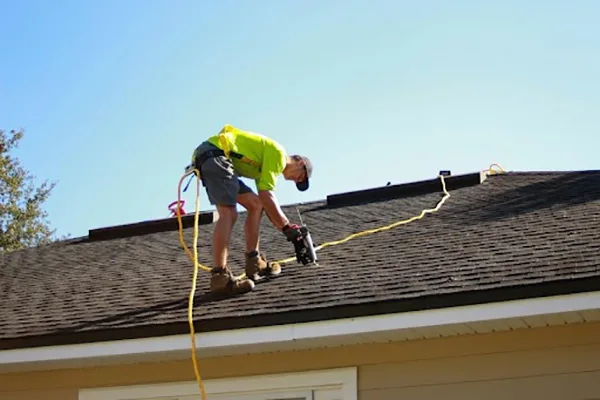
The outside of a property is the first thing that protects it from damage from the environment. Activepropertycare instructions underline how important it is to take care of roofs, walls, drainage systems, and outdoor areas. People typically don’t see the gradual damage that weather can wreak until it becomes bad.
Regular checks of the outside of the property keep it safe from water damage, structural damage, and other dangers. A well-kept outside also makes the property look better from the street, which is crucial for both homes and businesses.
Step 6: Dealing with Repairs in a Smart Way
Not all repairs are the same. Some need to be fixed right now, while others can wait. Activepropertycare manuals assist owners decide which repairs are necessary and which are just normal by teaching them how to think strategically about repairs.
This level is about making smart choices. Quickly fixing emergency repairs is important to stop more damage from happening. You can plan and budget for repairs that aren’t essential. This organized method lowers stress, makes budgeting easier, and makes sure that repairs are done quickly.
Step 7: Making a budget for taking care of your property
Planning your finances is an important part of managing property. Activepropertycare guidelines say that to avoid financial stress, you should put out a separate budget for maintenance. When you already have money set aside for unexpected costs, they are less unpleasant.
Budgeting also helps you spend your money more wisely. Instead of taking shortcuts, owners can spend money on repairs that will last and work well. This method lowers overall costs and makes the property work better over time.
Step 8: Keeping Records and Documentation
It may seem like a lot of work to keep records, but it’s very important for taking care of your property well. Activepropertycare manuals stress how important it is to keep records of inspections, repairs, and maintenance schedules. These records make things clear and hold people accountable.
Keeping records helps keep track of problems that happen over and over again, plan future upgrades, and show that you are a responsible owner. It’s especially helpful for rental and commercial properties where being open and following the rules are important.
Step 9: Adjusting to Changing Property Needs
The needs of properties change over time, much like the properties themselves. Activepropertycare manuals tell owners to look over and change their care plans often. You may need to make changes if the number of people living in a place, how it is used, or the weather changes.
This level encourages being open to new ideas and thinking about the future. A property care plan should never stay the same. Regular reviews make ensuring that maintenance plans are still useful and up-to-date.
Step 10: Developing a proactive attitude toward property care
Activepropertycare guides are more than just lists and timetables; they also try to help people think ahead. Taking care of property is not something you do once and then forget about. Owners who stay involved and up-to-date are better able to deal with problems.
This way of thinking makes taking care of property less of a chore and more of a manageable task. If you do it well, maintenance will be predictable, useful, and enjoyable.
Why ActivePropertyCare Guides Are Important for Long-Term Value
The long-term effects of activepropertycare guides are what make them so valuable. Properties that are well cared for last longer, work better, and keep their value better. People no longer think of maintenance as a cost, but as an investment.
These guides also provide property owners more control. Owners learn and acquire confidence instead of just relying on outside aid. Over time, this leads to better choices and better results.
Conclusion
Taking care of your property doesn’t have to be hard. With the correct framework and help, it becomes a straightforward and easy process. Activepropertycare manuals give you that structure by breaking property maintenance down into easy-to-follow steps.
Property owners can preserve their investments, make their homes better places to live, and lower their long-term costs by following certain rules. If you take action today, you will have fewer difficulties tomorrow. In property management, knowing how to care for things is the key to long-term success.
Read More:- ActivePropertyCare.com – Expert Home & Property Care Services