


Introduction
To understand creativity and uniqueness, you first need to comprehend what it is to be imaginative. Innovation is what moves education, business, technology, and personal growth forward in today’s world, which is always changing. The innovative definition is a powerful idea that is at the heart of creativity. This article talks about what it means to be imaginative, why it’s important, and how it may be useful in the real world. It does this by using an organized, step-by-step method that generates clarity from the ground up.
Step 1: Learn what “inventive” really means

The word “inventive” stems from the idea of making something new or looking at an old idea in a different manner. At its most basic level, innovative means being able to think of, design, or come up with new ideas that make things better or solve problems. The innovative definition says that an idea is both novel and useful, which means that it is not only new but also valuable.
Being creative doesn’t always entail making anything new from scratch. A lot of the time, it means making something better by coming up with new ideas. This trait is common among artists, engineers, professors, businesspeople, and even regular people who come up with smart ways to solve problems.
Step 2: The Creative Definition in Plain English
In basic terms, the innovative definition means using your brain and creativity to come up with new ideas. An creative person sees opportunities where others perceive problems. They don’t just stick to the old ways; they also look for new ways to get greater results.
This definition focuses on two crucial things: imagination and action. Ideas come from imagination, and action makes those ideas actual. Creativity is only a theory until you do something about it. Action lacks novelty without creativity. They all work together to create the innovative mindset.
Step 3: A Look Back at Creativity Through History
Inventive thought has affected human progress throughout history. Creative people have revolutionized how civilizations work, from the wheel to today’s AI. Learning about the history of the word “inventive” reveals that innovation isn’t just restricted to one time or place.
Inventors such as Leonardo da Vinci, Thomas Edison, and Marie Curie exemplified that inventiveness requires perseverance, experimentation, and inquisitiveness. Their work shows how creative thinking may often go against what people already believe and bring about big changes. This historical perspective illustrates that creativity is a skill that develops throughout time.
Step 4: Important Traits of an Inventive Mind
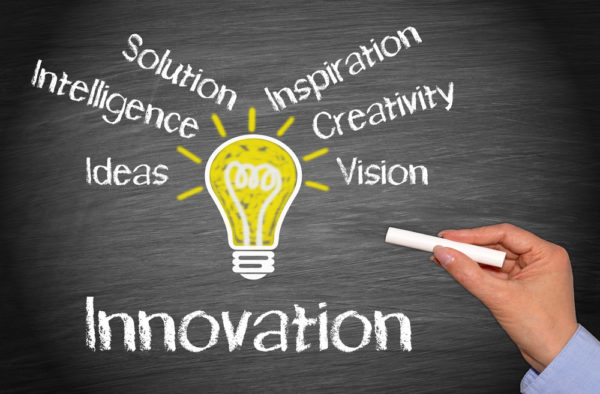
To completely comprehend what it means to be imaginative, you need to know what attributes are common in inventive people. These traits take time to grow and can be made stronger with practice.
People that are creative are naturally curious and want to know how things function. They are willing to try new things and are not afraid to fail. Another important attribute is flexibility, which lets them modify their minds when things change. Most importantly, creative people use both logic and imagination to make sure their ideas are both useful and creative.
Step 5: An Original Definition of Education and Learning
The innovative definition is very important in education since it shapes how we learn nowadays. Traditional education frequently focuses on memorizing facts, but imaginative learning focuses on coming up with new ideas and solving problems. Students are taught to think thoroughly about ideas instead of just remembering facts.
Project-based projects, critical thinking exercises, and simulations of real-world problems are all examples of creative ways to learn. These strategies assist students learn to think for themselves, which will help them deal with problems in the future. Students are more likely to come up with new ideas and say them clearly when they comprehend the innovative concept.
Step 6: The role of creativity in business and new ideas
Creative thinking is very important for business success these days. In marketplaces that move quickly, companies that value invention stay competitive and relevant. In business, being imaginative means coming up with new goods, making services better, or discovering smarter ways to do things.
Businesses that are inventive focus on new ideas, what customers want, and being able to change. They want their workers to discuss ideas and try out new ways of doing things. This setting helps people grow and be successful in the long run. In this sense, understanding inventiveness reveals how creativity affects the economy and the value of a brand.
Step 7: Creative Definition in Daily Life

The innovative definition isn’t just for experts or big companies. It works the same way in real life. Creativity is the ability to come up with new ideas and use resources in new ways. For example, arranging space better, finding new ways to solve problems, or using resources in new ways.
Being creative every day makes you more productive and less stressed. It helps people adjust to new situations and establish a balance in their daily lives. People can improve both their personal and professional lives by consistently practicing creative thinking.
Step 8: What is the difference between creative and inventive thinking?
Even though people commonly use the words “inventive” and “creative” to mean the same thing, they aren’t. Creativity is all about coming up with new ideas, whereas inventiveness is all about putting those ideas to good use. The innovative definition incorporates invention, but it also requires action.
An concept is inventive when it is turned into something helpful. This difference is crucial because it shows that action is a key part of being creative. People can use their ingenuity to make things happen when they understand this difference.
Step 9: How to Build an Inventive Mindset Step by Step
It takes time and effort to become more creative. The first stage is to be curious and ask questions that make you think. The second phase is to learn from a variety of sources to have a broader view. Being among varied ideas makes you think creatively.
The next stage is to try things out. Even when you don’t know what will happen, trying new things makes you better at addressing problems. It’s also important to think about your accomplishments and shortcomings, as doing so will help you get better. As time goes on, these processes help you develop a strong creative attitude that fits the criteria of creative.
Step 10: How important it is to be creative in today’s world
In today’s world, problems are complicated and always changing. The imaginative definition shows why being original and flexible is more important than ever. We need new ideas to solve problems that old ways of doing things can’t. This is because of technology, climate change, and competitiveness around the world.
Innovation is what makes progress possible and helps societies deal with change in a good way. It emphasizes long-term solutions and pushes for constant progress. People and groups help long-term progress by understanding and using creativity.
Step 11: Misunderstandings About Creativity
A widespread myth is that being creative is something you are born with. It is actually a skill that can be learned and improved with practice. Another wrong idea is that being creative needs high-tech tools or resources. Often, the most creative ideas come from having to deal with problems.
People can accept the creative description without doubting themselves if they understand these misunderstandings. When people are in the proper place and with the correct support, they can all think creatively.
Step 12: Why it’s important to know what “inventive” means
Knowing what the innovative definition means makes it clear how innovation works and why it matters. It gives people the strength to face issues with courage and creativity. This idea also encourages lifelong learning because creative minds are always looking for ways to do better.
Being creative helps you make better decisions and solve problems, whether you’re at school, at work, or just going about your day. It turns problems into chances and ideas into real change.
In conclusion
The imaginative definition is more than just being creative; it also means being able to turn ideas into useful solutions. We looked at its meaning, traits, uses, and value in different parts of life through this step-by-step explanation. Being creative is a powerful skill that helps people grow and make progress.
People can adapt to change, solve issues well, and make the world a better place by thinking creatively. In today’s environment, it’s not optional to understand and practice creativity; it’s necessary for success and innovation.
Read More:- Define Inventive: Meaning, Importance, and Step-by-Step Understanding