


Introduction
In today’s fast-paced world, being inventive is more valuable than ever. The term “inventive” is often associated with creativity, innovation, and the ability to generate novel solutions. But what does it truly mean to be inventive, and how can individuals and organizations harness this trait effectively? This article delves deeply into the meaning of inventive, its characteristics, examples, and strategies to cultivate an inventive mindset.
What Does Inventive Mean?
The word inventive is an adjective used to describe someone or something capable of creating new ideas, methods, or products. Being inventive implies a natural ability to think outside the box and approach problems from unique angles. In essence, it is more than just creativity—it’s the practical application of original thinking to solve real-world challenges.
For instance, a person who devises a new method to improve workplace efficiency demonstrates an inventive approach. Similarly, companies that constantly innovate to meet consumer demands are often described as inventive organizations.
The Oxford dictionary defines inventive as “having the ability to create or design new things or to think originally.” This definition emphasizes originality, problem-solving, and creative thinking as core aspects of being inventive.

Characteristics of Inventive People
Understanding the characteristics of inventive individuals helps us recognize and nurture this trait. Here are some key traits often observed in inventive people:
- Curiosity: Inventive individuals have a natural curiosity about the world. They question existing norms and explore alternatives, always asking “why” and “how.”
- Problem-Solving Skills: Being inventive is closely linked to solving problems innovatively. Inventive people see obstacles as opportunities for creative solutions.
- Open-Mindedness: They are willing to explore unconventional ideas without being restricted by traditional thinking.
- Adaptability: Inventive individuals can adapt to new situations and rethink strategies to address challenges.
- Persistence: Creativity alone is not enough; inventiveness requires the persistence to experiment, fail, and refine ideas until a workable solution emerges.
By nurturing these characteristics, anyone can become more inventive and better equipped to face challenges in personal and professional settings.
Examples of Inventive Thinking
Real-life examples help illustrate what being inventive looks like in practice. Some notable examples include:
- Thomas Edison: Widely regarded as one of history’s most inventive figures, Edison invented the practical electric light bulb and held over 1,000 patents.
- Elon Musk: Known for his innovative ventures such as Tesla and SpaceX, Musk exemplifies inventive thinking in modern business and technology.
- Everyday Innovations: Even small-scale solutions, like designing a new filing system for efficient workflow or creating a homemade device to simplify household chores, reflect inventiveness.
These examples show that being inventive is not limited to groundbreaking inventions—it can manifest in daily problem-solving and creative improvements.
Inventive in the Workplace
Organizations that value and promote an inventive culture often gain a competitive edge. Here’s how inventiveness can be applied in professional environments:
- Product Innovation: Companies rely on inventive ideas to create new products or improve existing ones. This fosters growth and attracts consumers.
- Process Optimization: An inventive approach can streamline operations, reduce costs, and increase efficiency.
- Team Collaboration: Encouraging inventive thinking within teams sparks creativity, leading to collaborative solutions that may not have been conceived individually.
- Problem-Solving: Inventive employees can identify challenges and develop original strategies to address them, ensuring continuous improvement.
By cultivating an inventive mindset at work, organizations can remain dynamic and responsive to changing market demands.
How to Cultivate an Inventive Mindset
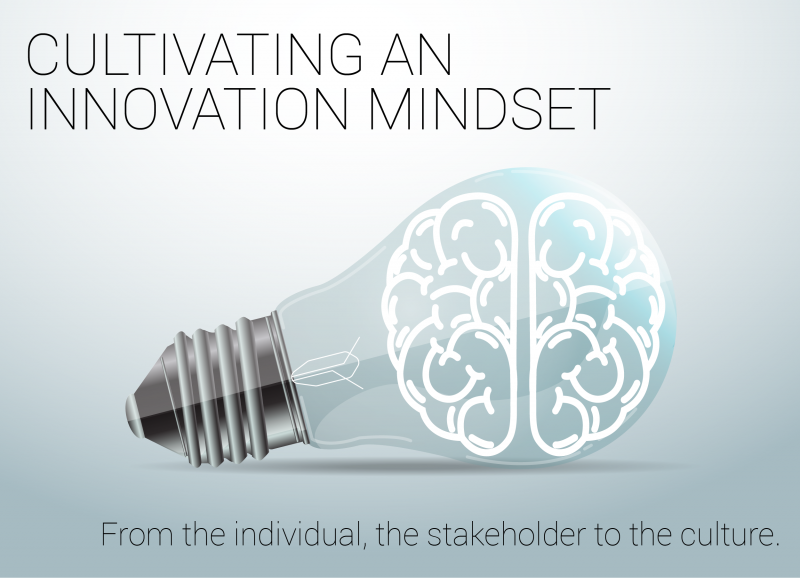
Becoming more inventive is not solely an innate trait—it can be developed with deliberate practice. Here are strategies to enhance your inventiveness:
- Engage in Continuous Learning: Knowledge fuels creativity. Reading widely, exploring diverse fields, and staying curious expand your inventive capacity.
- Challenge Assumptions: Question the status quo. Ask yourself if there’s a better way to achieve a goal or solve a problem.
- Brainstorm Regularly: Set aside time for free-thinking sessions where no idea is dismissed. This encourages innovative solutions.
- Experiment and Iterate: Inventiveness often requires trial and error. Be open to testing ideas, learning from mistakes, and refining approaches.
- Collaborate with Others: Exposure to different perspectives enhances creativity. Collaborative brainstorming can spark inventive solutions you might not find alone.
By consistently practicing these strategies, individuals can cultivate a sustainable inventive mindset that benefits both personal and professional life.
Inventive Thinking in Technology
The modern technological landscape is a testament to the power of inventive thinking. Innovations like smartphones, artificial intelligence, renewable energy solutions, and advanced medical devices have transformed how we live, work, and communicate. Inventive thinking drives these breakthroughs, pushing boundaries beyond what was previously imagined.
Technology companies, in particular, thrive on inventiveness. Google, Apple, and Tesla are examples of organizations that maintain a culture where inventive thinking is encouraged, leading to constant innovation and market leadership.
The Role of Education in Fostering Inventiveness
Educational systems play a crucial role in nurturing inventive capabilities. Encouraging creativity, problem-solving, and experimentation from an early age helps children and young adults develop a natural inclination toward inventive thinking. Key approaches include:
- Project-Based Learning: Hands-on projects encourage students to devise creative solutions and think independently.
- Encouraging Curiosity: Promoting inquiry-based learning stimulates inventive ideas.
- Interdisciplinary Learning: Exposure to various subjects and skills fosters the ability to connect concepts in novel ways.
- Recognition and Support: Rewarding innovative solutions boosts confidence and reinforces inventive behavior.
By fostering these approaches, education can cultivate the next generation of inventive thinkers ready to tackle complex global challenges.
Challenges in Being Inventive
While inventiveness is a valuable trait, it comes with challenges. Some common obstacles include:
- Fear of Failure: Many individuals hesitate to experiment due to fear of failure, which can stifle inventive thinking.
- Resistance to Change: Societal or organizational resistance can limit the application of inventive ideas.
- Resource Limitations: Lack of time, funding, or tools may hinder innovative experimentation.
Overcoming these challenges requires persistence, a supportive environment, and a mindset that views failure as a learning opportunity rather than a setback.
Conclusion
In conclusion, being inventive is more than just thinking creatively—it is the ability to generate original solutions, improve existing systems, and approach challenges with innovative strategies. From individuals to organizations, cultivating inventiveness can lead to significant advantages in personal growth, professional success, and societal development.
By understanding what it means to be inventive, recognizing its key characteristics, studying real-life examples, and applying strategies to enhance creativity, anyone can harness the power of inventive thinking. Whether in technology, business, education, or daily life, the inventive mind has the potential to transform ideas into reality.
Being inventive is not an optional skill—it is a defining quality of leaders, innovators, and problem-solvers in the modern world.